the Zen of Photography
The first secret of a photographer lies
in what he sees in what he sees.
And the second one is understanding
the difference between what he sees
...and what the camera sees.
The rest is… technical know-how.
There are pictures you “make” and pictures you “take”
Studio-photography is always “made”, whereas street
photography is almost aways “taken”. But what about
landscape photography? Here it is “make” and “take”,
and not seldom it's both in one and the same picture.
Let’s look at a few examples…
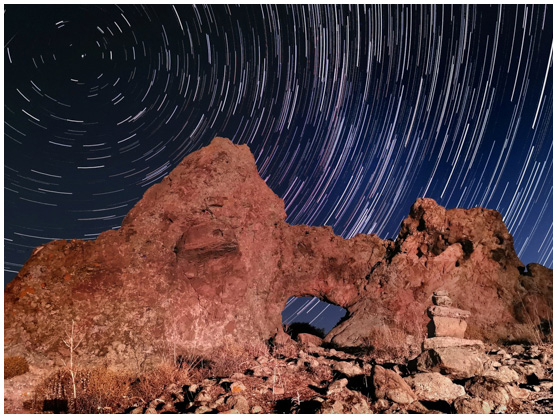
The picture above is a typical example of a made picture. On a crystal clear night, I chose a vantage point that included the north star, so that the star lines would rotate around it. I kept the shutter open for 55 minutes. The foreground only showed up as an outline. Then I positioned my car to point towards the foreground and for half a second shone my headlights onto it. That brought in all the details of the foreground without affecting the sky.
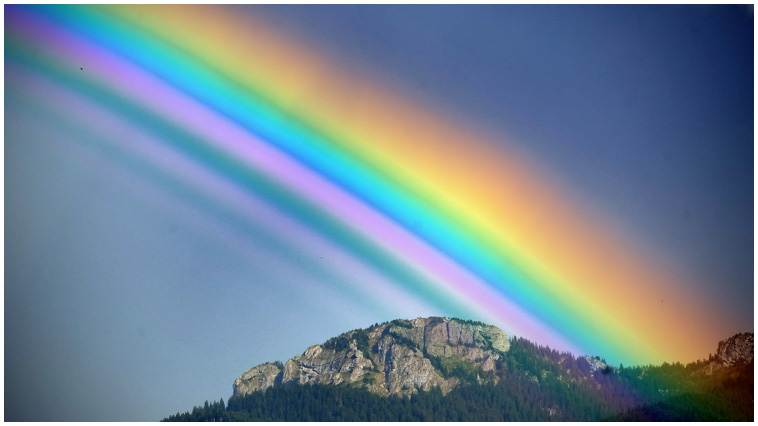
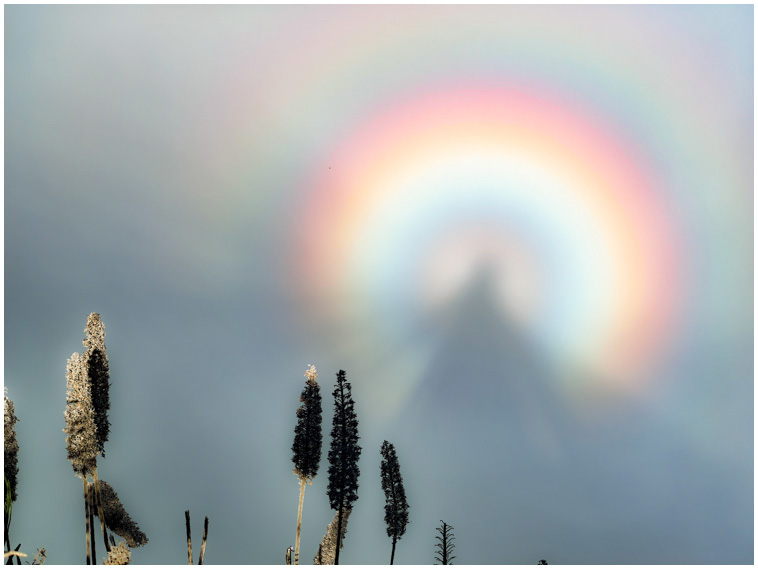
The picture above is an example of the take modus...I was hiking in the mountains and came past a little opening in the rocks. Three things lined up...the sun behind me, my body and the circular rainbow below that was only visible for a few seconds. I know the peek in the center of the rainbow is my head, because when I bent down, it was gone.
A never ending love affair
Photography…it has kept me spellbound since my childhood, but only recently was I able to fully grasp the answer to a deeper question…why?
When I won a prize in a competition at eleven, I was infected with the photography bug. Even in those early days, it was all about discovering the secrets of composition, whenever I pushed the release button.
I don’t know why, but it mattered a great deal to me and that became the start of an endless learning curve that soon broadened to include all technical aspects of photography.
And along with that came a plethora of cameras over the years: point-and-shoot, range finder cameras, bridge cameras, SLRs and later DSLRS, mirrorless, middle format and large format techincal cameras.
Gib hier deinen Absatz ein
Hi-Res Panoramas
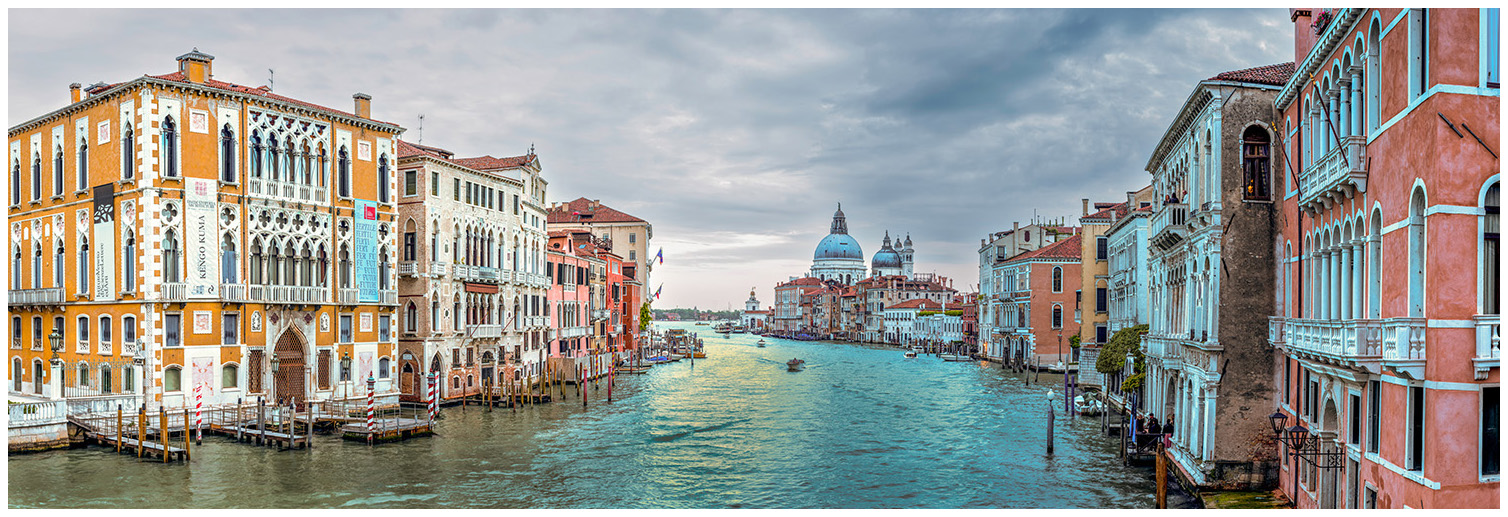
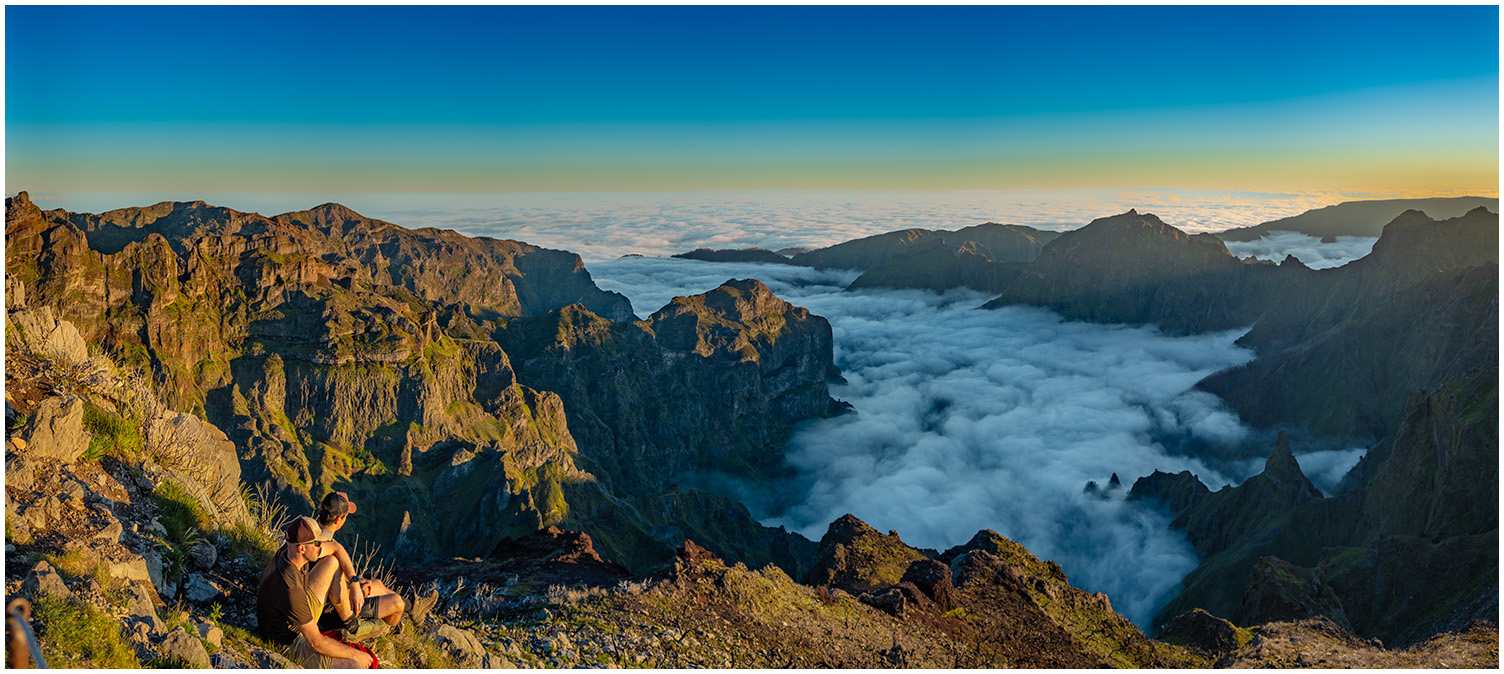
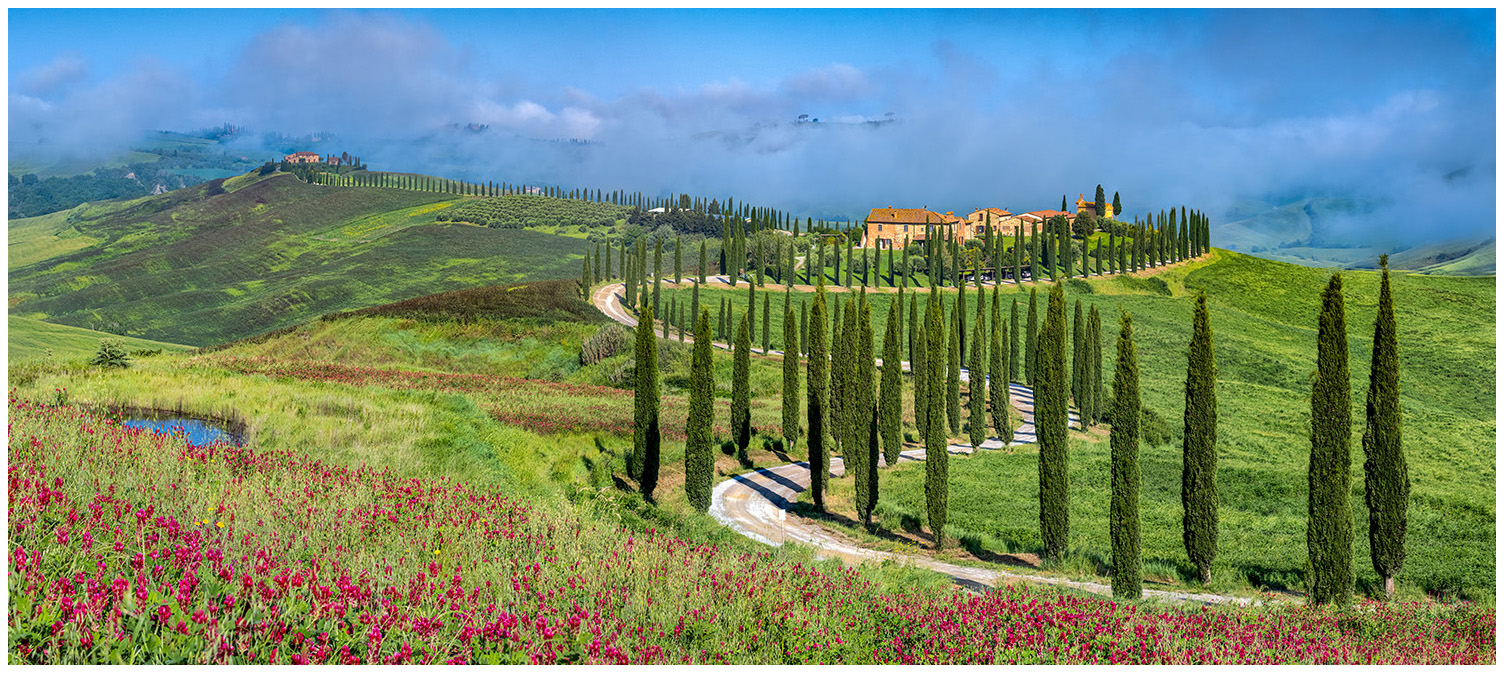
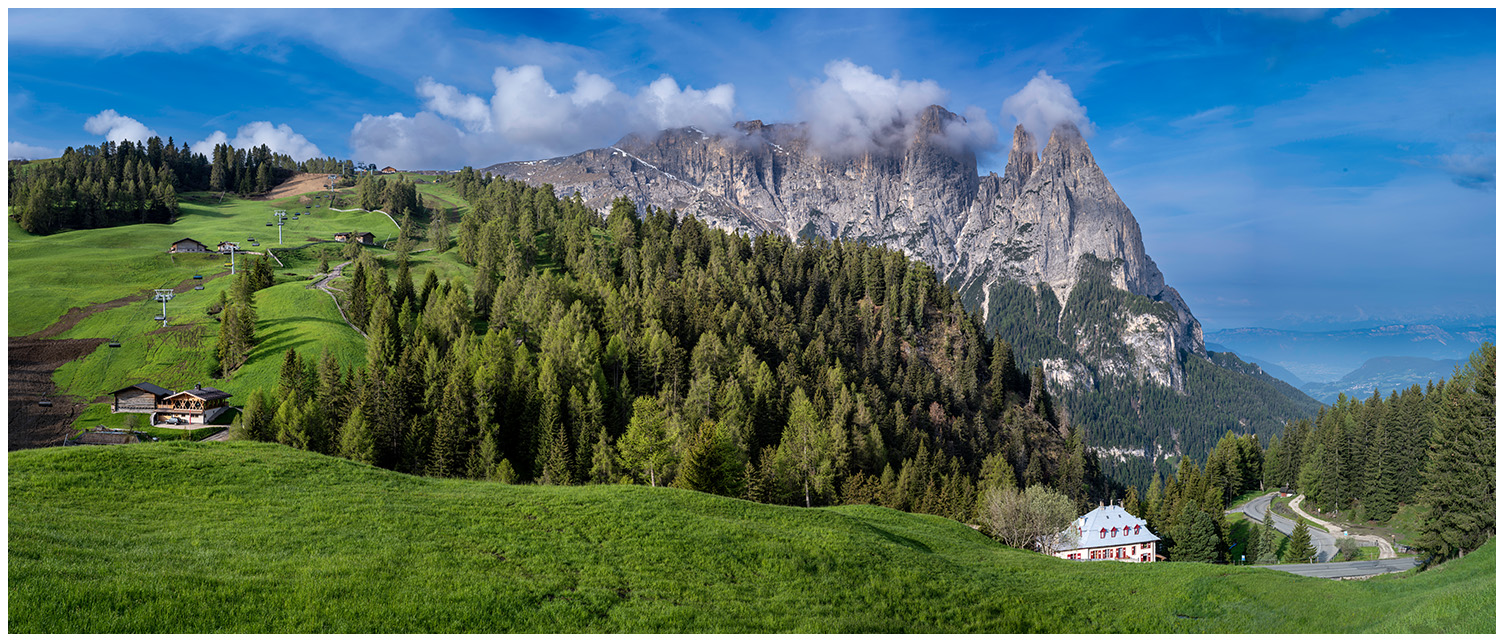
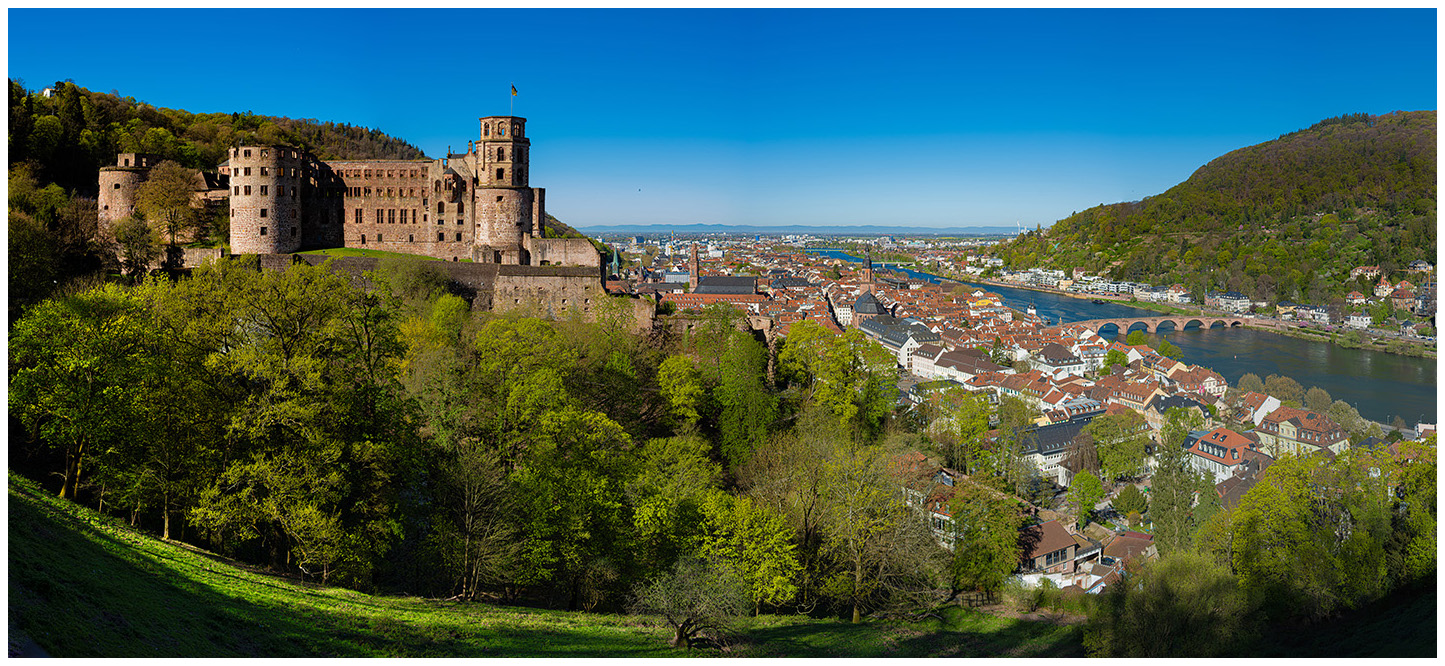
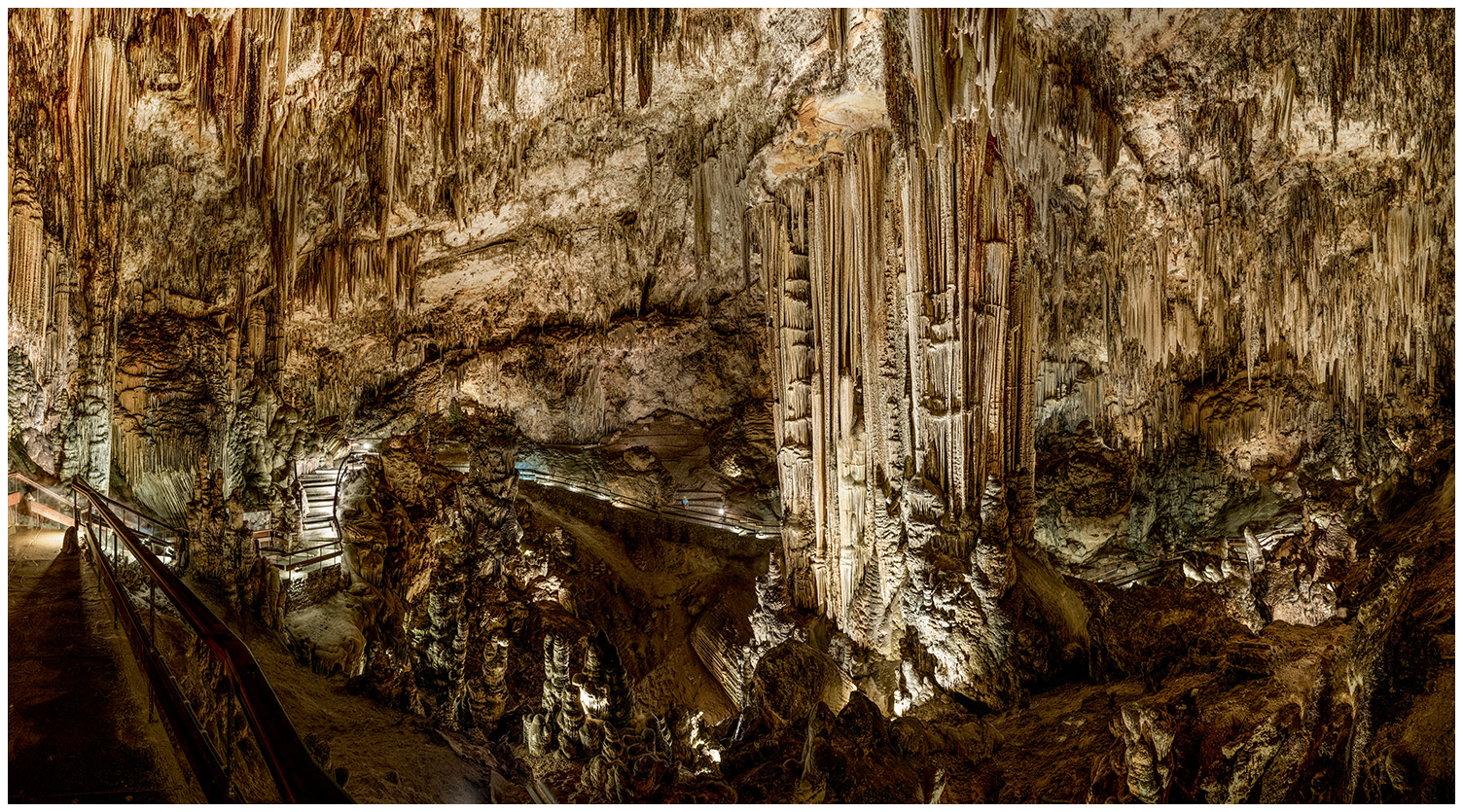
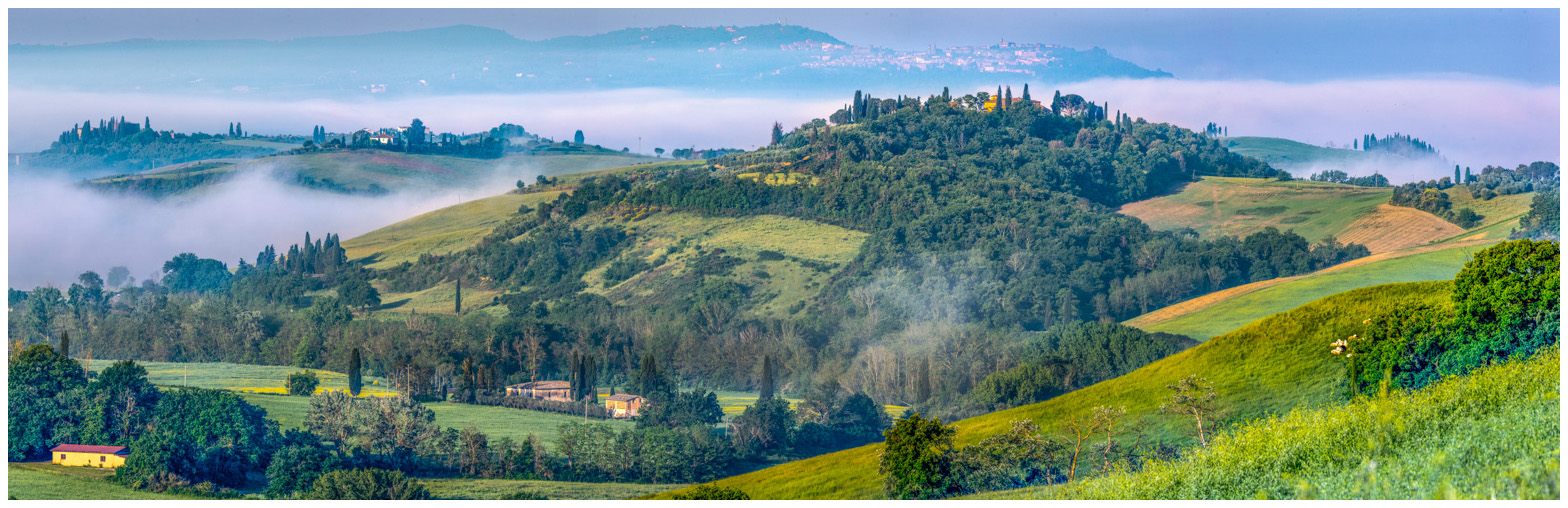
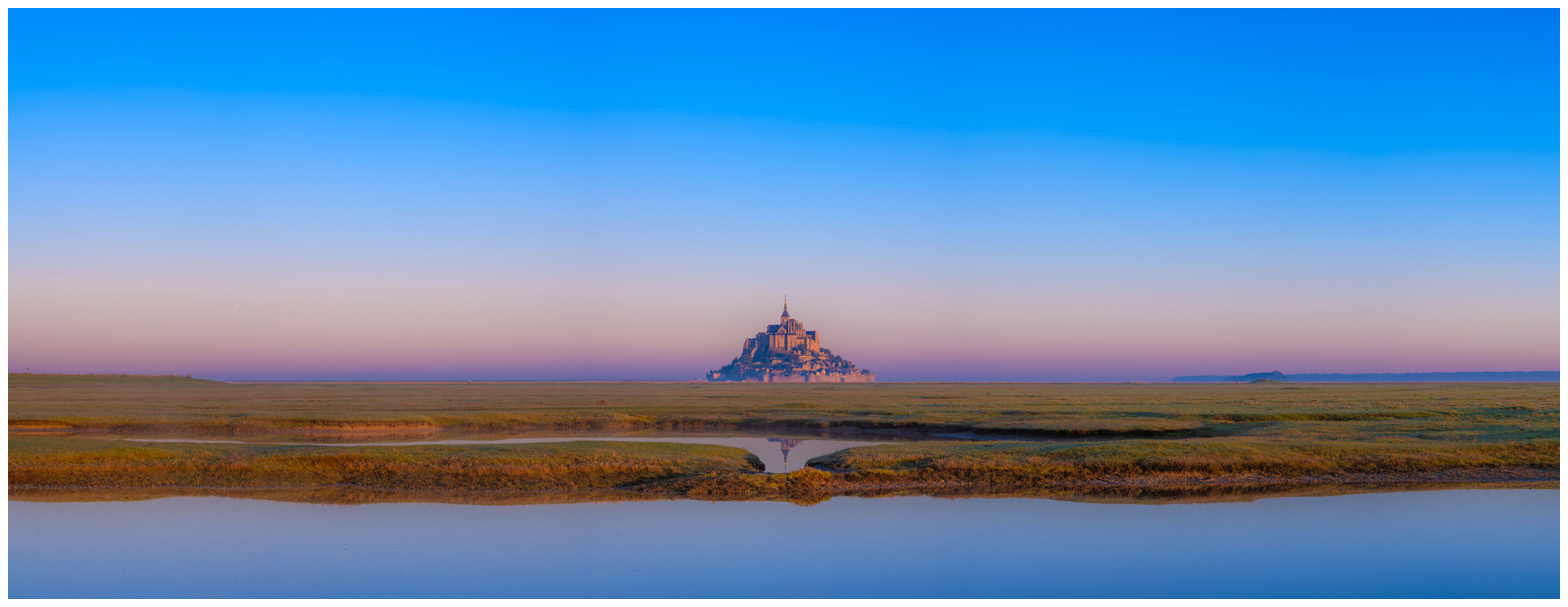
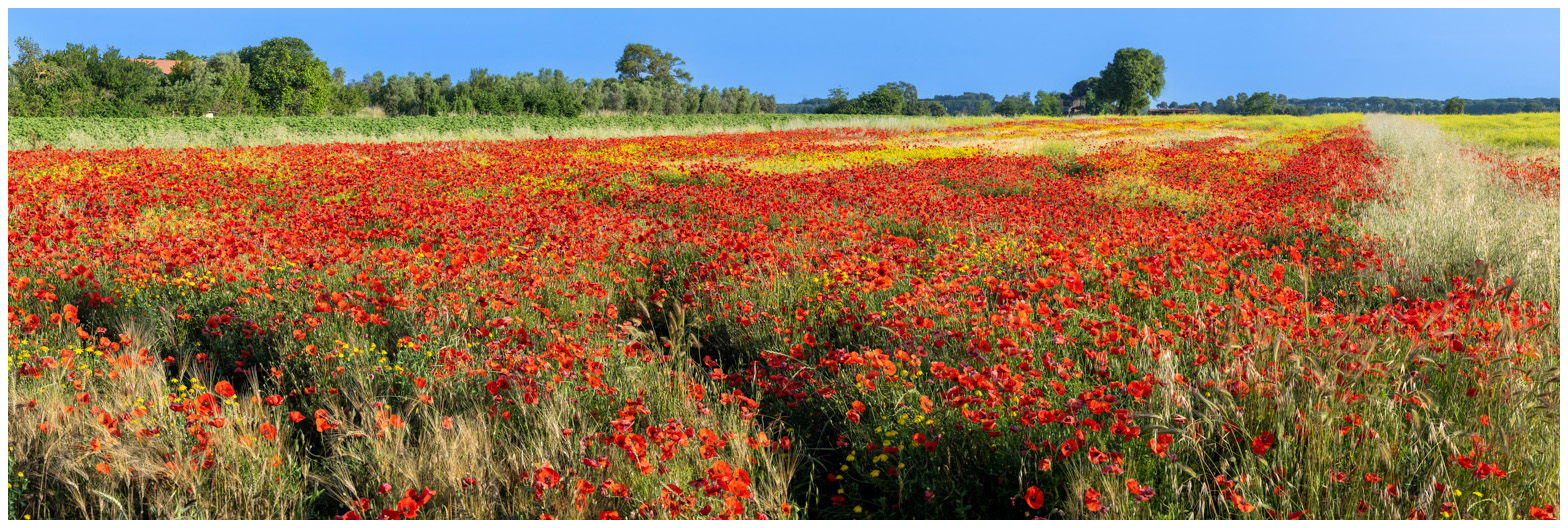
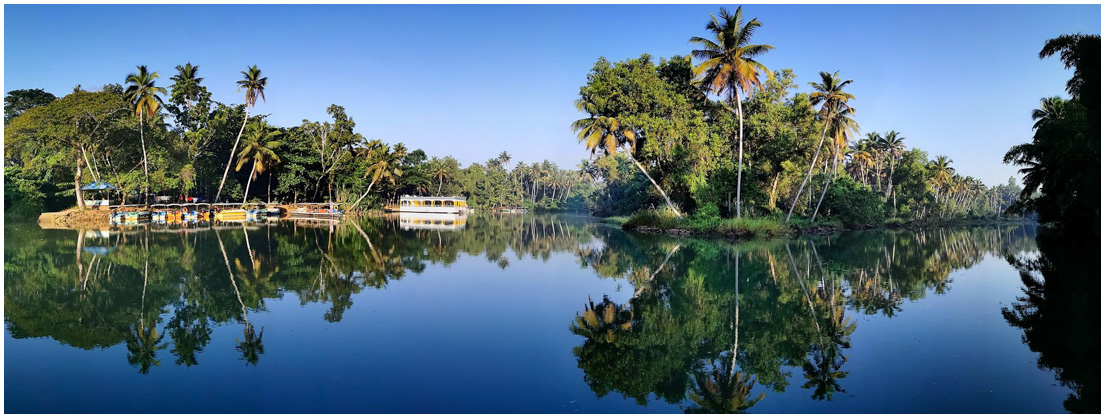
Below are a few examples of high resolution panoramas. All of these panoramas are shot with Perspective Control lenses and can consist of up to thirty images. There are therefore ideally suited for large mural enlargements.